Mold Prevention After Sewage Damage in Garrattsville and Surrounding Areas
Mold prevention after sewage damage is crucial for protecting your home, health, and indoor air quality. In Garrattsville, New York and surrounding areas such as Burlington Flats, Hartwick, Edmeston, New Lisbon, and Morris, Ridge Top Construction provides professional sewage cleanup and mold prevention services to help homeowners restore safety and prevent long-term damage. Proper drying, sanitizing, and moisture control are essential steps to ensure mold does not spread after sewage contamination.
What makes mold prevention after sewage damage so important?
Mold can begin growing within 24–48 hours after sewage exposure, making immediate action critical. It can cause structural damage and health issues if not properly addressed. Homes in Garrattsville and nearby towns must act quickly to prevent serious complications.
How does sewage damage increase the risk of mold growth?
Sewage introduces excess moisture and bacteria into surfaces, creating an ideal environment for mold. Once materials become saturated, mold spores spread rapidly in areas like basements, bathrooms, and crawlspaces.
What are the first steps homeowners should take after sewage damage?
The first steps include stopping the water source, removing contaminated materials, and beginning drying as soon as possible. Professional cleanup from Ridge Top Construction helps ensure safe and thorough handling of sewage exposure.
Can mold grow even after the area looks dry?
Yes, mold can still grow behind walls, under flooring, and inside insulation if moisture remains trapped. Hidden moisture is common in older homes throughout Garrattsville, Burlington Flats, and Edmeston.
Why is professional sewage cleanup recommended?
Professionals use specialized equipment to sanitize surfaces, extract water, and dry structural materials thoroughly. This reduces the risk of bacteria spread and mold growth, especially in severe damage cases.
What materials are most likely to develop mold after sewage exposure?
Drywall, carpeting, wood, and insulation absorb moisture easily, making them vulnerable to mold growth. These materials may need removal depending on contamination levels.
How can homeowners prevent mold after sewage damage?
Effective prevention involves proper drying, dehumidifying, sanitizing, and inspecting hidden areas. Ridge Top Construction provides comprehensive mold prevention for properties across Hartwick and New Lisbon.
How long does it take to dry a home after sewage contamination?
Drying can take several days depending on the severity of the damage. Industrial fans and dehumidifiers help speed up the process for homes in Garrattsville and surrounding towns.
Can air purification help prevent mold growth?
Air purifiers with HEPA filters can reduce airborne mold spores, improving indoor air quality. This is especially helpful after sewage exposure where bacteria and spores circulate easily.
Are there signs homeowners should monitor after cleanup?
Persistent odors, discoloration, humidity, or damp surfaces may indicate hidden moisture or mold. Early detection helps prevent costly repairs in communities throughout Morris and Edmeston.
Final Thought
Preventing mold after sewage damage is essential for maintaining a safe and healthy home in Garrattsville, New York and nearby areas like Hartwick, Burlington Flats, New Lisbon, and Morris. Ridge Top Construction provides expert services to remove contamination, restore moisture levels, and protect your property from long-term mold issues. Acting quickly and using professional help ensures your home remains clean, dry, and mold-free.
How soon should sewage damage be cleaned to prevent mold?
Cleanup should begin immediately because mold can begin growing within 24–48 hours, especially in humid or enclosed spaces.
Can I clean sewage damage myself?
Minor spills may be manageable, but most sewage damage requires professional cleanup due to health risks and contamination concerns.
Does mold always appear right away after sewage damage?
Not always; mold can grow slowly behind walls or flooring, which is why thorough drying and inspections are important.
Can bleach alone prevent mold after sewage effects?
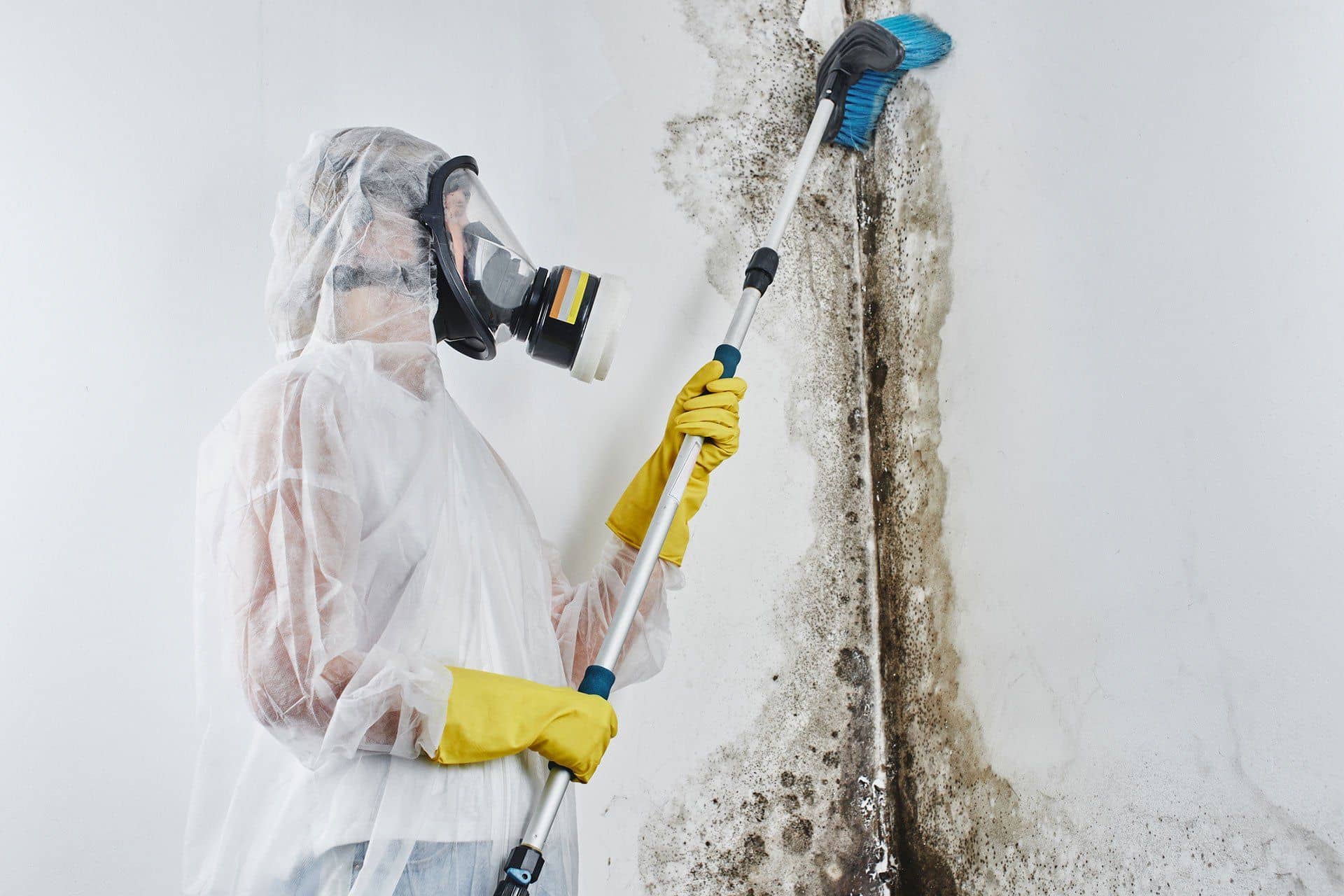
Bleach may clean the surface but does not remove moisture trapped inside porous materials, so it’s not enough for full prevention.
Is mold dangerous after sewage exposure?
Yes, sewage-related mold can contain harmful bacteria and toxins, making it a health risk without proper removal.
Email: [email protected]
Phone: +1 607-373-1339
Address: 194 Santaro Road, Garrattsville, New York 13342